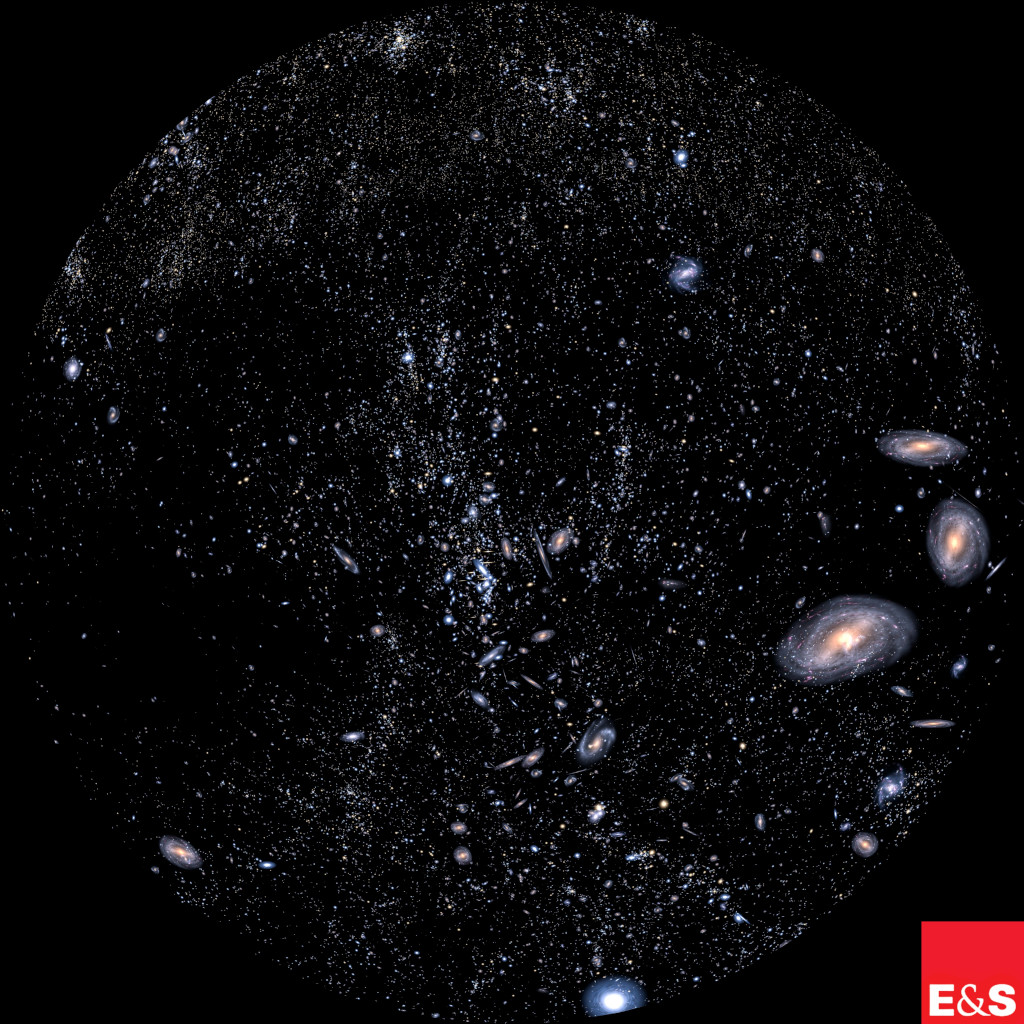
Image: Part of the You Are Here flyout. A visualisation of thousands of ‘nearby’ bright galaxies, in their accurate positions on the sky. The Milky Way is hidden in the distance, about a third of the way up from the bottom of the image
The Ocean SOS Planetarium Show will become one of the core dissemination outputs of the project, envisioned as an immersive, sensory digital learning environment that can meaningfully bridge the gap between complex science and society and inspire global action.
Development of the show is led by our consortium partner Dynamic Earth. In this blog you can dive deep to hear first-hand what it takes to put together a planetarium show, what the challenges and opportunities of this storytelling format are, and a little bit about our plans for the OceanSOS show production!
Ocean SOS Blog - How do you build a planetarium show?
By: Dr Alastair Bruce, Planetarium Manager at Dynamic Earth, Edinburgh’s Science Centre & Planetarium.
6th October 2026
It’s a simple question but there’s a lot to unpack here. Let’s start with a little bit of context. I’m Dr Alastair Bruce, Planetarium Manager at Dynamic Earth, Edinburgh’s Science Centre & Planetarium. We’ve been designing our own live shows for the planetarium since 2020, when our projection system was upgraded. This was when I started my journey as a planetarium professional too. Before that, I was a postdoctoral researcher at the Royal Observatory Edinburgh, observing Active Galactic Nuclei.

Alastair in 2018 at the Royal Observatory Edinburgh
Fast forward to present day and we’re in the exciting initial phase of the OceanSOS project. It seems like a long time ago that we became part of the initial bid, but now we’re very much in production mode. Our job? To design a planetarium show that accurately reflects the research being done by the OceanSOS team, bring that science story to life and share it with the world. Simple!
If you’ve never set foot in a planetarium before, they can be wonderful, immersive spaces. 100 years ago they were becoming must-see experiences. A place that could take you stargazing, no matter the weather. A whole hemisphere of sky up above your heads, shared with those around you. There’s still no other way to get that type of shared stargazing experience, short of standing under the real sky and braving the weather with colleagues.
Technology continues to evolve and, though there are other immersive gadgets today, there’s something wonderfully unique about experiencing something together in a planetarium. This also means that not only can we simulate accurate skies, we can now, for example: take you to other worlds, mess with time, bring you art and music and sound and, of course, science. Beautiful observations, data, visualisations, survey catalogues… There really is no limit to what you can do. When designing shows, we primarily use planetarium software called Digistar from Cosm/E&S, a powerful application that contains many astronomical and Earth-based datasets and the tools to control how you display them on the dome.
With great creative freedom comes great complexity, so it’s important to have an overall plan before building a planetarium show. You of course have to be aware of the capabilities of your software/hardware, but your only real constraints are the audience. For example, you can’t twist or turn willy-nilly, or you’ll have what we refer to at Dynamic Earth as a ‘code purple’ on your hands. I suffer from motion sickness myself so I’m careful about just how much movement to bring into our shows.
In an ideal world, you'll always be utilising the whole hemisphere of the dome. There’s a lot of screen real estate to play with. You want to try and avoid hard edges or ‘missing pieces’ wherever possible too. I think the real magic comes from the little details though: getting the angles and framing just right; bringing in a subtle sound effect; a poetic line; timing a fade to perfection. We love to sometimes sit back from presenting and let a piece of music bring some emotional colour to a sequence. While we try to make every show accurate, impactful, emotional and/or funny, the real aim is to make it memorable. Our hope that the experience stays with you long after you leave the dome. When all of the elements come together it can be truly magical.
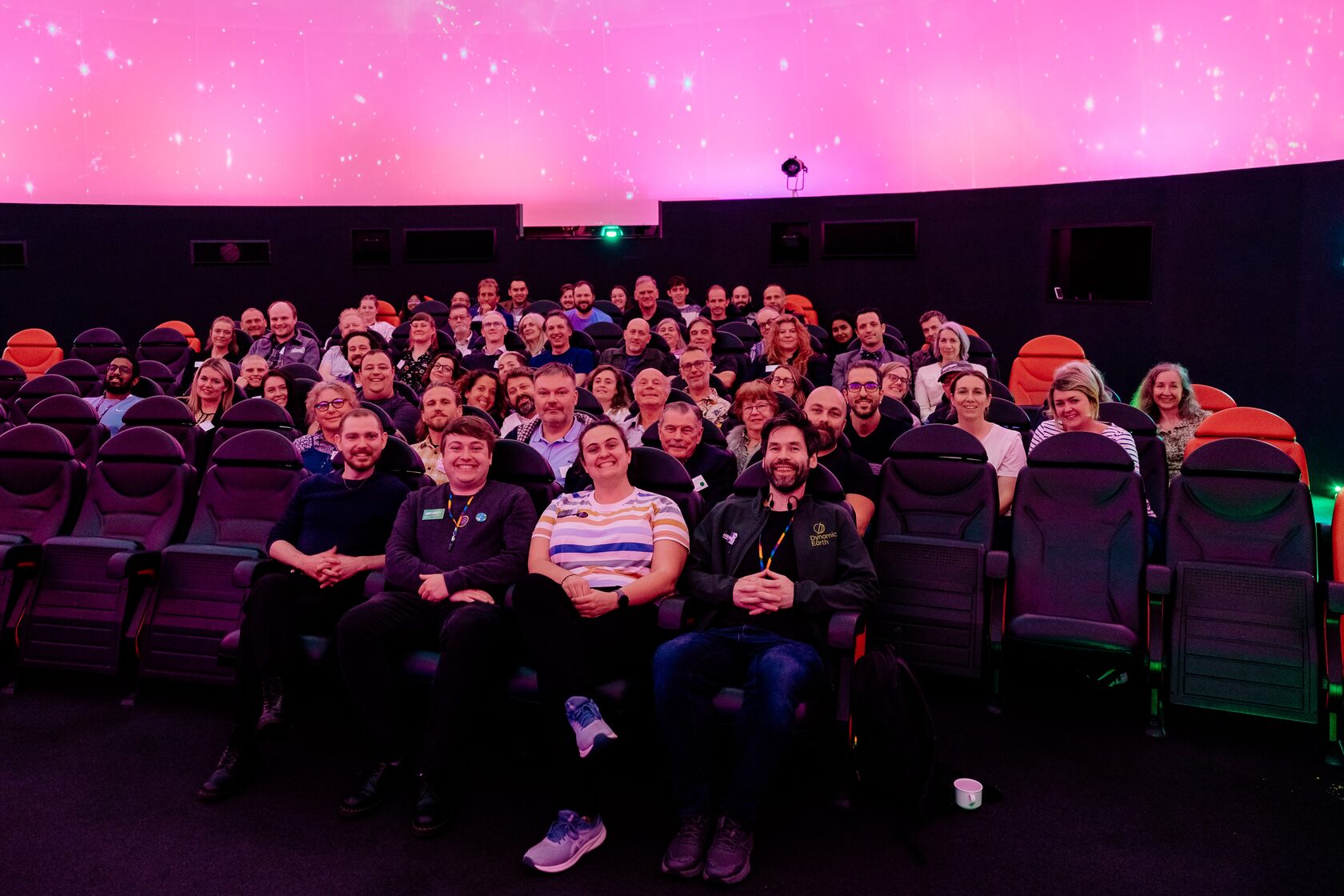
The Dynamic Earth planetarium team (front row) in 2024, as we hosted the annual British Association of Planetaria conference
You do get very used to staring at the ‘dome view’ on the computer. As our planetarium is often running shows for the public, most of our content begins life on our workstation computers, with no access to the actual dome. The dome view lets you see everything in one place and it does take a bit of getting used to. Down is front, centre is straight up and top is the back of the planetarium. You can build something that you think will look great but, on getting into the main dome, you’ll likely realise you need to make a lot of tweaks. It’s all part of the fun of polishing till you’re happy. It feels amazing to have spent hours tweaking, to then be able to stand back and see the result of that hard work.
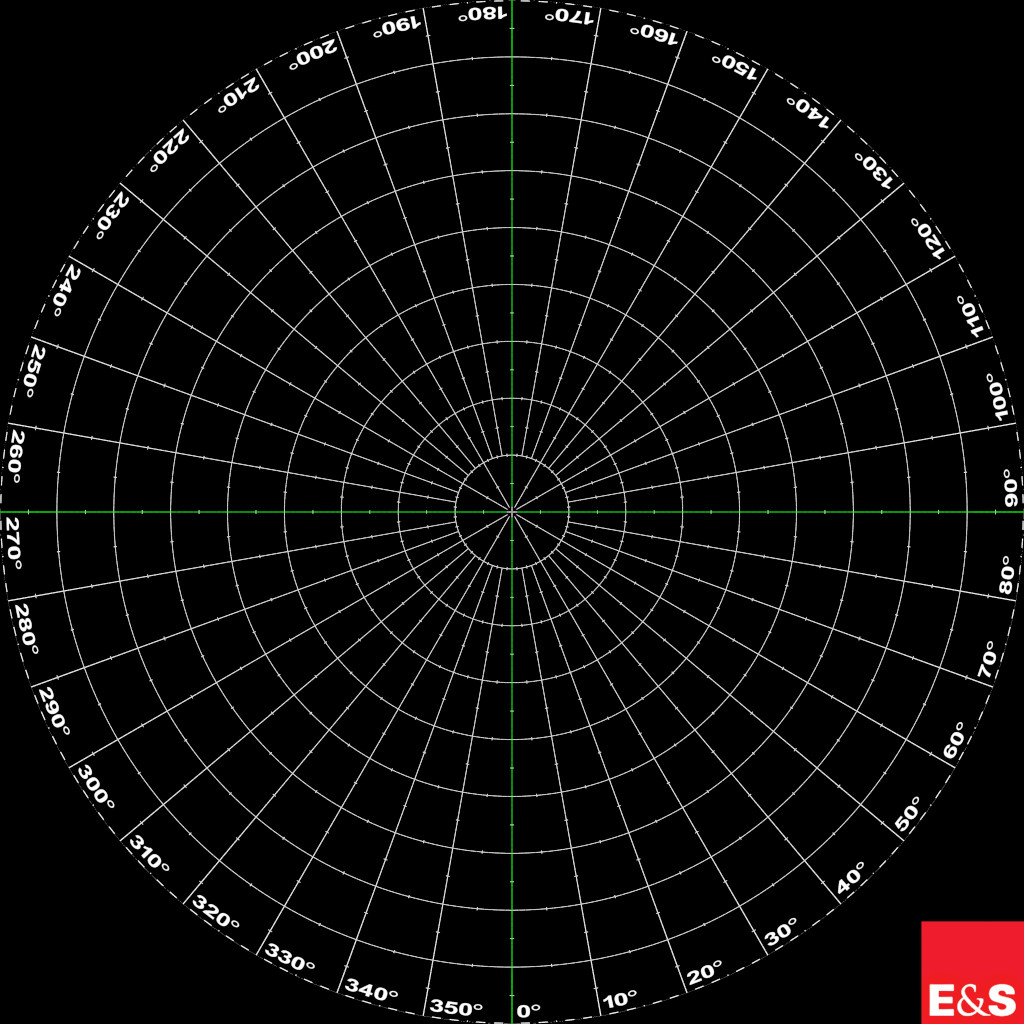
The ‘dome view’
One of my favourite (and most used) sequences in our planetarium is a zoom out from planet Earth. Part of a show we called You Are Here, which was written during lockdown. At the end of the show we zoom backwards and, within just a couple of minutes, go from seeing Edinburgh to seeing the planets, the local stars, the Milky Way and tens of thousands of galaxies. It’s a wonderful shot-in-the-arm of cosmic perspective.
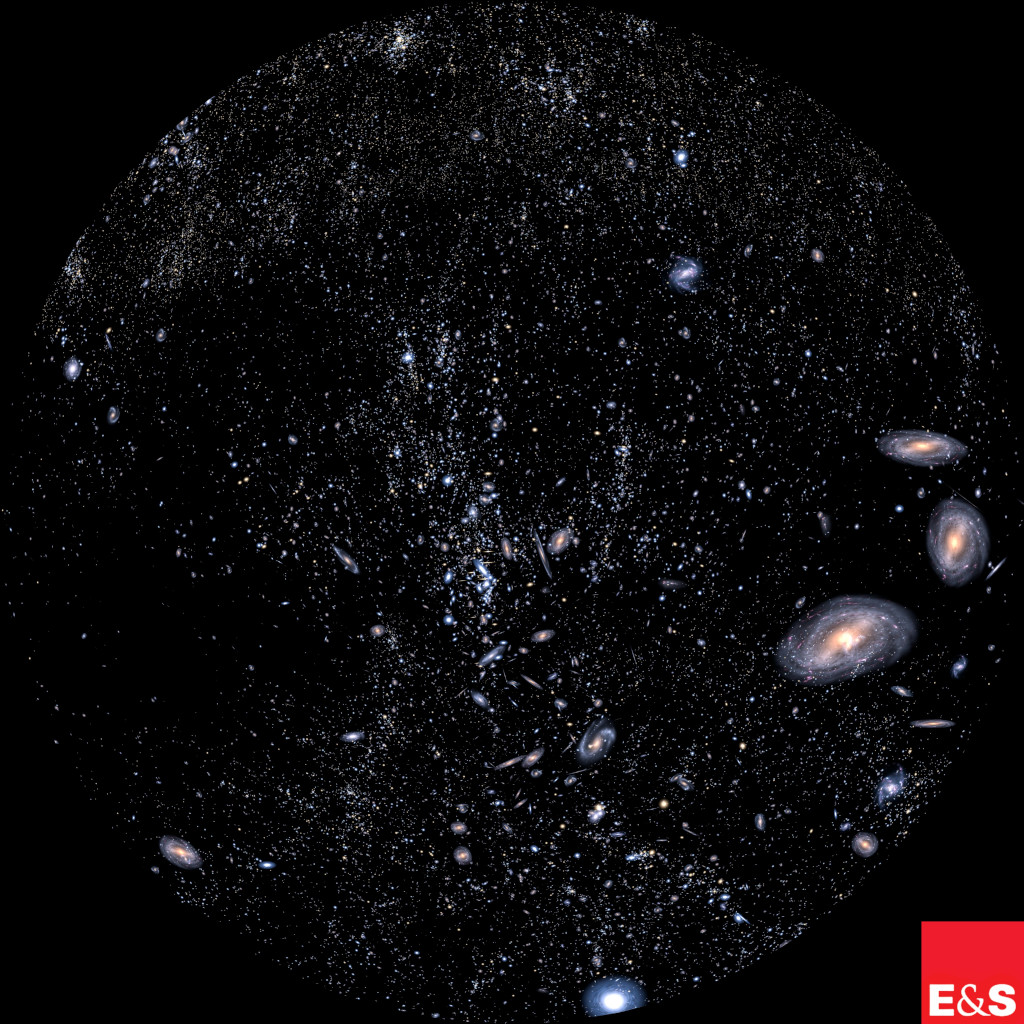
Part of the You Are Here flyout. A visualisation of thousands of ‘nearby’ bright galaxies, in their accurate positions on the sky. The Milky Way is hidden in the distance, about a third of the way up from the bottom of the image
I can’t wait to get creative with the science, the data and the stories that will be coming back from OceanSOS. We’ve recently purchased a full 360 camera to help us capture key moments from the project wherever we can. Many fulldome producers have a large budget and team and are capable of rendering full CGI shows which take much time and effort to produce. We likely won’t be able to compete with this type of production, but we will be able to produce something truly unique, that uses as much real science data as possible. Something that hopefully does justice to the science and our global ocean upon which we all depend. Shared as widely and freely as possible. Watch this space!
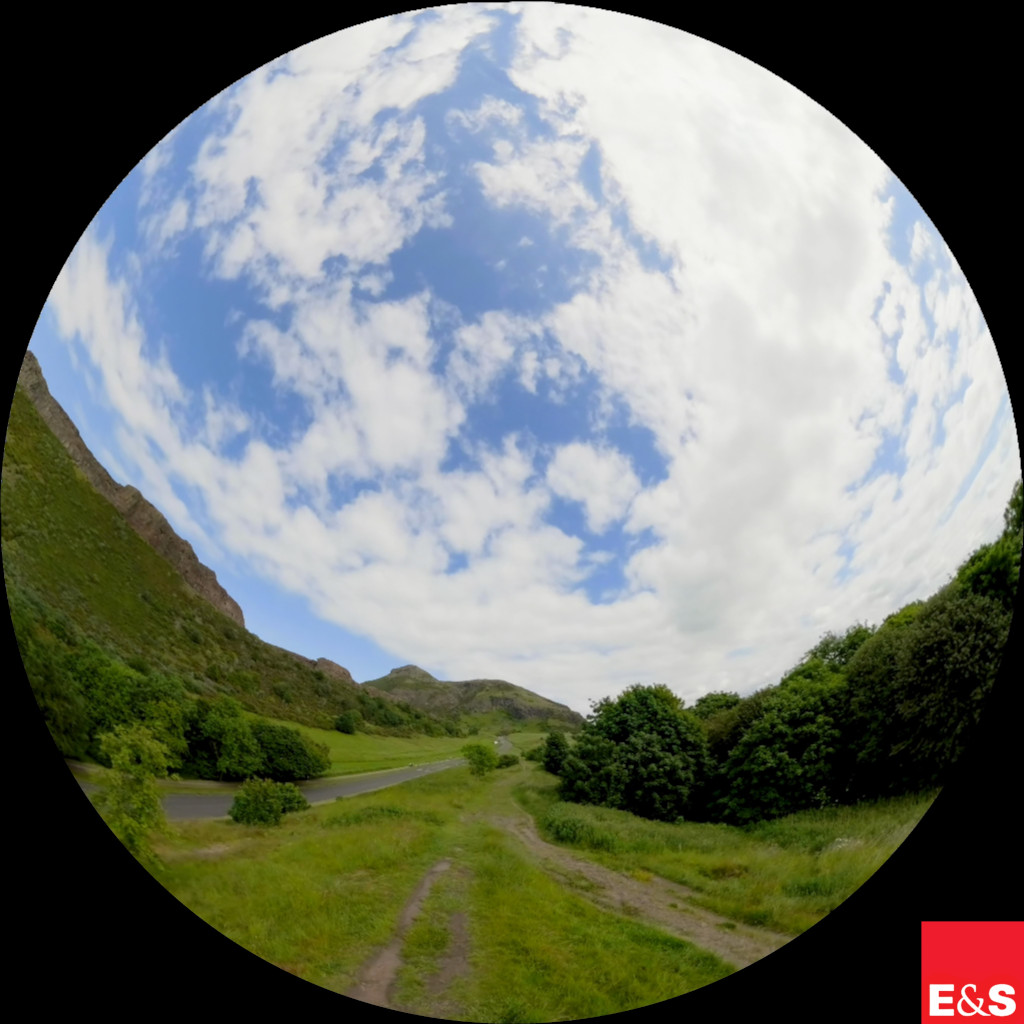
A slice of Holyrood Park and Arthur’s Seat, taken during early testing with our 360° camera